There’s a specific growth stage that kills operational efficiency in service businesses. It usually hits somewhere between 15 and 40 staff. Before that point, informal systems work: a shared spreadsheet, a WhatsApp group, a weekly phone call. After that point, the informal systems collapse — and the business is usually too busy to stop and fix them.
In workforce-intensive sectors — security, facilities management, cleaning, logistics, field services — this inflection point is well-recognised. Shift allocation, staff deployment, incident recording, and client reporting are all being managed simultaneously across tools that weren’t designed to work together.
THE PROBLEM
The software market for SME workforce management has a structural gap. Enterprise platforms are built for large operators with complex hierarchies, procurement cycles, and IT departments. Generic SME tools are built for businesses that don’t have the specific operational requirements of, say, a guarding operation or a multi-site facilities team.
The result: growing service businesses end up running three or four tools simultaneously, none of which does exactly what they need, all of which create data fragmentation and manual reconciliation work.
Operational leadership in these businesses typically spends significant time each week on admin that a fit-for-purpose internal tool would handle automatically. That’s time not spent on client relationships, compliance, or growth.
HOW DOTED SOLVED IT
For internal operations tooling, the scoping conversation is a workflow audit. Not a feature wishlist — a current-state map of how the business actually operates, task by task. What’s done manually? What’s done across multiple tools? Where does information get lost?
The MVP targets the highest-frequency, highest-pain points only. For a typical service business in this space, that’s usually: shift scheduling and deployment status, digital incident logging with photo capability, and automated client reporting.
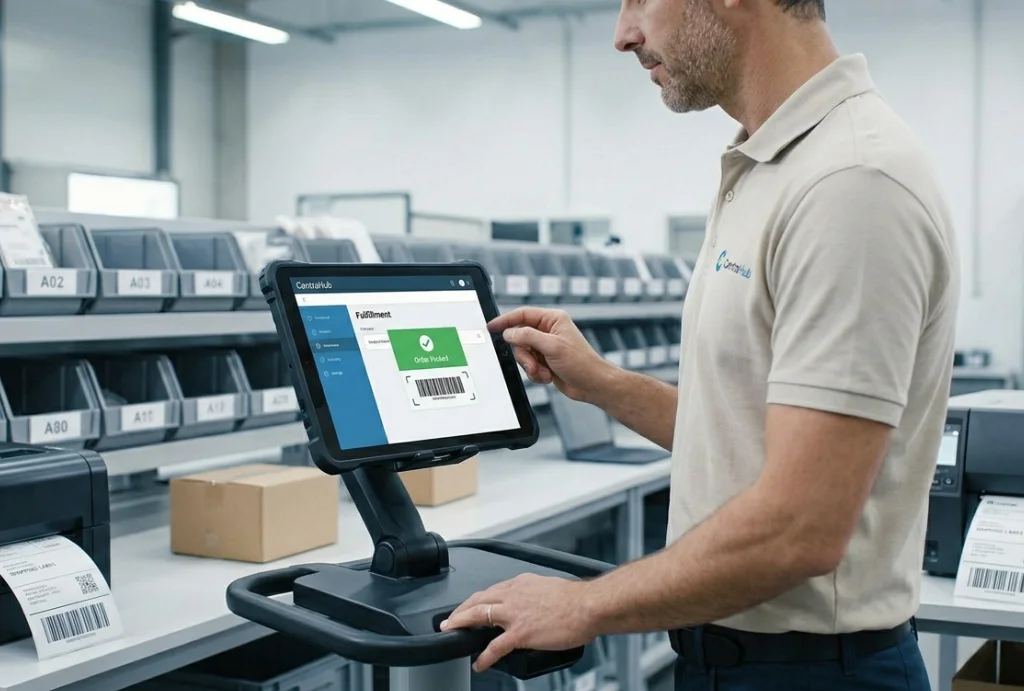
A mobile-optimised interface for field staff is non-negotiable for any business deploying people off-site. It’s also the feature that gets the most adoption resistance from leadership and the most gratitude from the people actually using it.
WHAT GETS BUILT
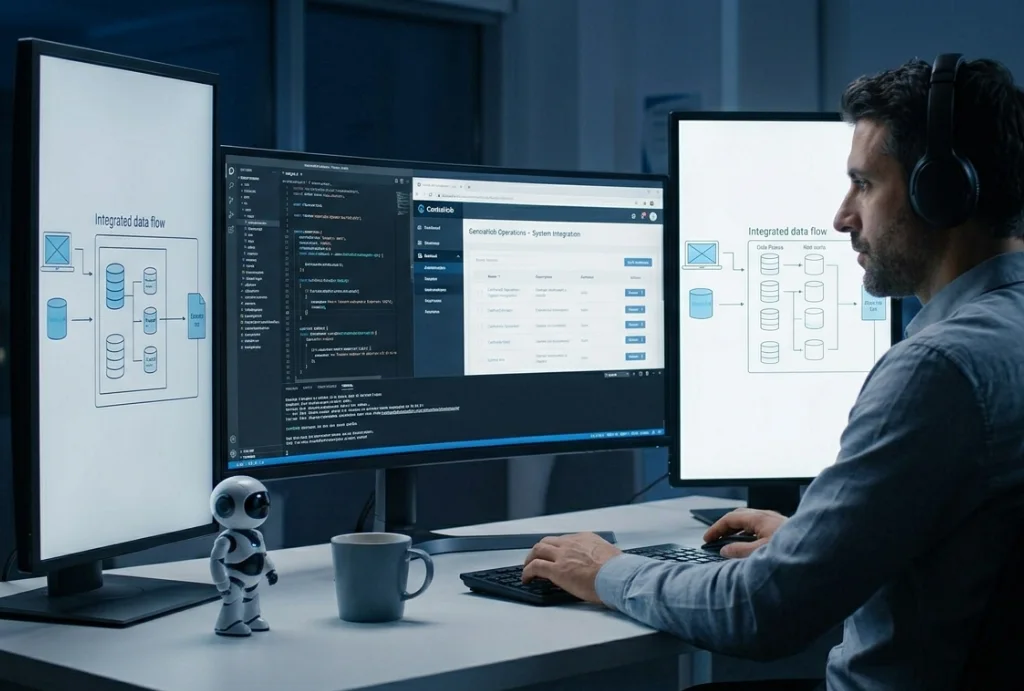
A secure, role-based web application with a shift management dashboard, live deployment map showing staff locations by client site, digital incident report forms with photo upload, automated weekly PDF reports sent to clients, and a mobile-optimised interface for field staff to clock in and log incidents on-site.
This is a 10–12 week build for a focused scope. The output is a role-based internal tool that replaces manual processes — not a platform that reimagines how the business works.
OPERATIONAL BENEFITS
A fit-for-purpose internal tool replaces the ad hoc combination of spreadsheets, messaging apps, and phone calls that characterise this growth stage. Shift admin time drops. Client reporting that previously took hours per week becomes automated. Management has real-time visibility of operations without manual data gathering.
THE BROADER LESSON
“Most growing SMEs don’t need more software. They need the right software, scoped to their actual processes. The businesses that get this right build once, adopt quickly, and spend the time they recover on the things that actually grow revenue.”